Consulting
Consulting that builds practices from the inside
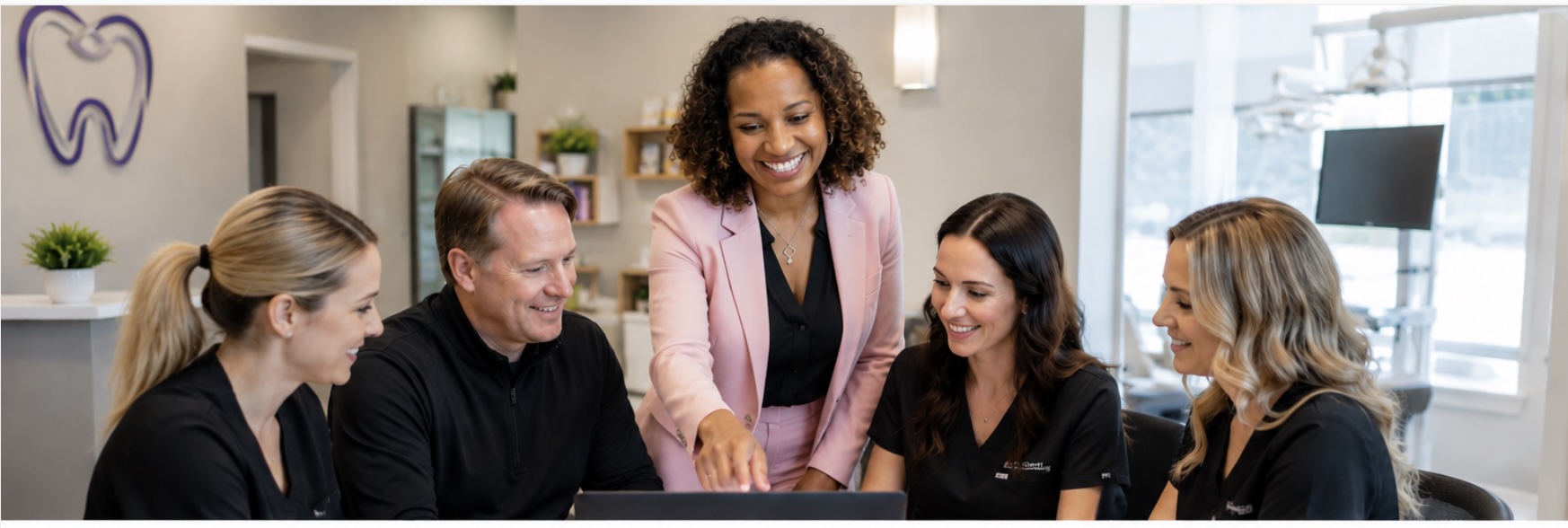
Little Deb Consulting works from one simple belief: practices succeed because of the people inside them and the systems that hold those people up. We are not visiting advisors with a deck. After 25 years inside orthodontic and dental practices, and still working inside one today, we build the same systems we help our clients build, in real time, on real patients.
Our work covers four areas: the treatment coordinator role, Canadian orthodontic insurance, digital workflow, and leadership for the dental team. Every engagement follows the Reflect, Rectify, Redesign method. We start by seeing what is actually happening, strengthen what is not holding, and rebuild the systems your team will run long after we are gone.
What we hear from practices
The challenges we help practices solve
Most practices do not struggle because their team lacks effort. They struggle because the systems supporting that effort are inconsistent.
You may be seeing plenty of new patient calls but not enough treatment starts. The outcome of the consult may depend too much on who is running it that day. Technology may be present in the practice but not fully integrated into the patient experience. Insurance questions keep defaulting to the same team member because the process lives in someone's head rather than a system. The team may be working hard, but not everyone is following the same playbook.
These are not isolated problems. They are often signs that the consult process, workflow, leadership structure, or operational systems need attention.
That is where we focus our work.
Four areas of practice transformation
Where the work happens
Every practice challenge typically falls into one of four areas:
Patient Experience
How patients feel from first call to final retainer.
Technology
Scanners, imaging, and digital tools woven into the workflow.
Practice Systems
Insurance, verification, claims, and the infrastructure that keeps daily operations on track.
Leadership
Culture, accountability, and the conversations that make change stick.
Our consulting services are organized around these four areas. While each engagement is customized to the practice, every project is designed to strengthen one or more of these critical drivers of practice performance.
01Patient Experience
TC Excellence
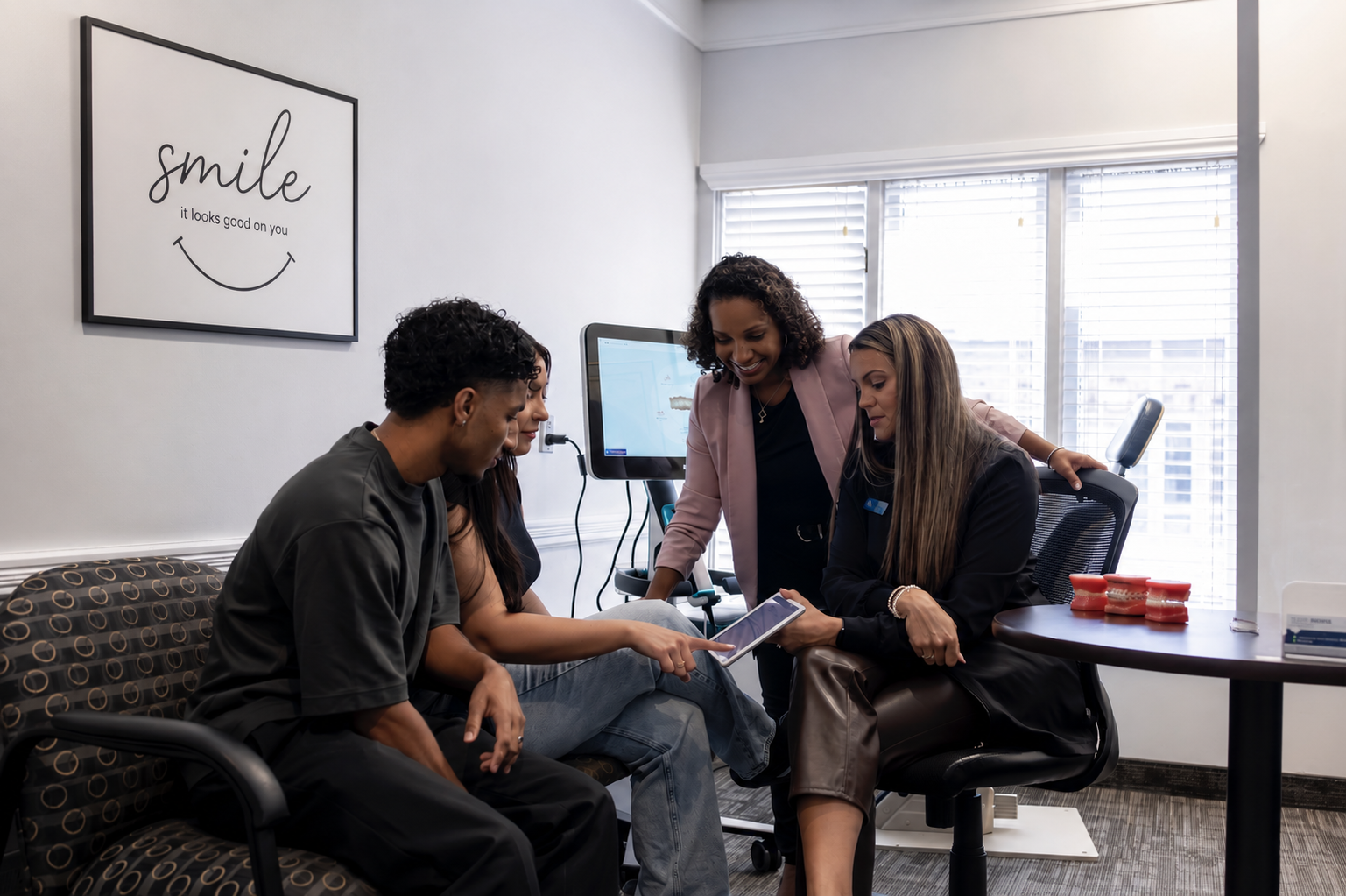
Rebuilding the consult from first phone call to start date, so case acceptance stops depending on who's in the consult room that day.
Is this what you're seeing?
- You are getting new patient calls, but not as many starts as you feel you should.
- The outcome of the consult depends too much on who is running it that day.
- Patients leave saying they need to think about it, and the follow-up process feels more reactive than intentional.
- The doctor, TC, and team are not always communicating the same message.
- Financial conversations vary depending on who is presenting them.
- You know there is opportunity in the consult process, but you are not sure where the gaps actually are.
Focus Areas
- Full consult redesign
- Doctor and TC integration
- Financial workflow systems
- Scheduling flow
- Follow-up systems
- KPI tracking
- Team communication
- Consult scripting refinement
- Patient experience optimization
- Practice-specific customization
Delivery
We work in your office, alongside your team. We watch real consults, coach in the moment, and rebuild the process piece by piece until every TC is running the same workflow with the same confidence. No binders. No theory. Direct hands-on work until the new system holds under a normal week.
Primary Outcome
A consult that runs the same way regardless of who is at the chair. Case acceptance becomes the natural result of a clear, well-rehearsed process, not a personality or a good month.
02Technology
Digital Edge
Technology rarely fails the practice. The workflow around it does. This is where we focus.
Is this what you're seeing?
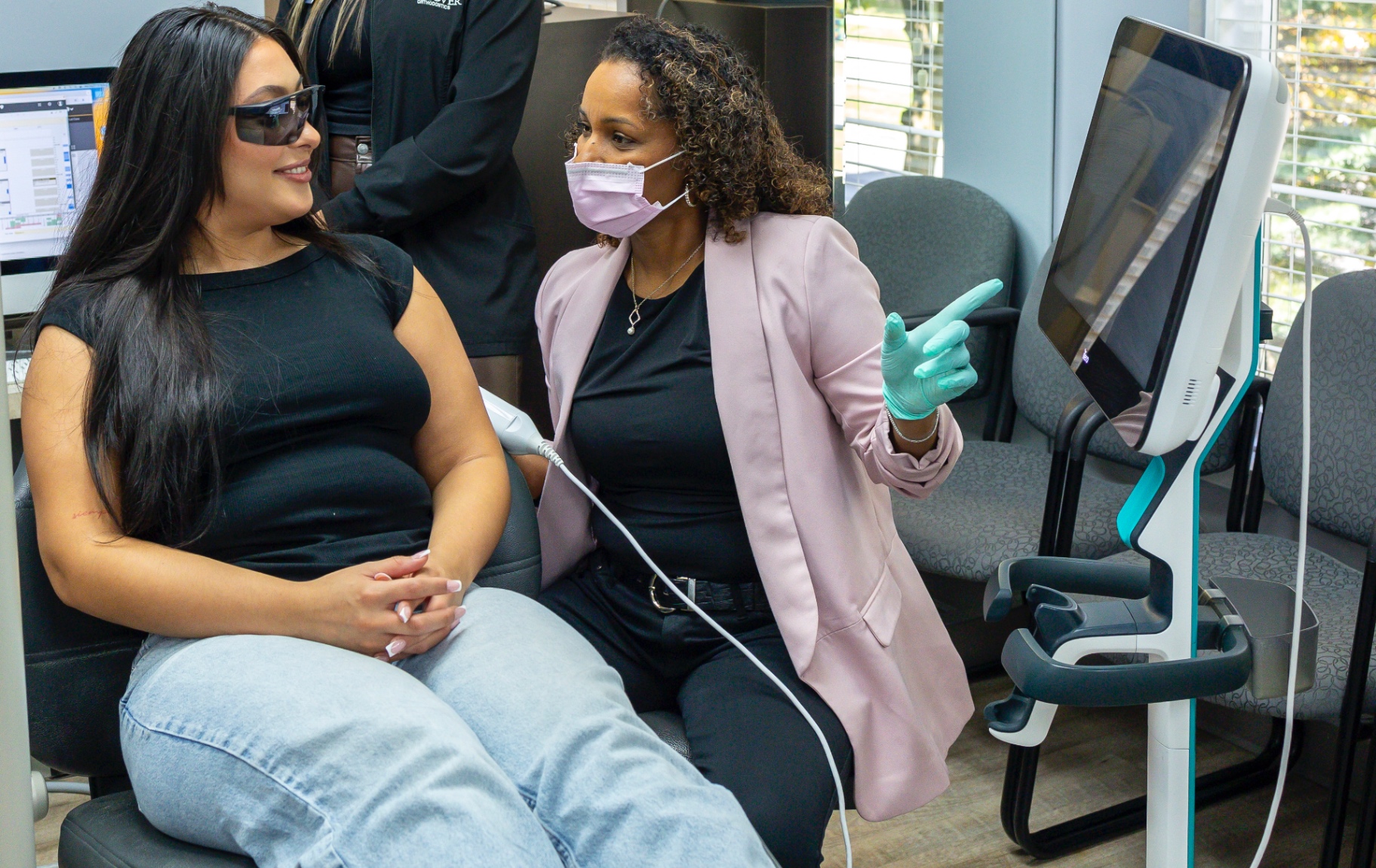
- The scanner is being used, but not consistently as a communication tool.
- Technology has been added to the practice, but it is not clear where it fits within the overall workflow.
- Patients are being scanned, but the visuals are not consistently guiding treatment decisions.
- The technology is there, but it has not become part of how the team communicates with patients.
- You invested in technology to improve efficiency and patient experience, but the return has not been what you expected.
Focus Areas
- Full workflow redesign
- Technology integration
- Team utilization optimization
- Patient communication systems
- Workflow mapping
- Customized implementation
Delivery
We work chairside and at the front desk with the people using the tools every day. The scanner, the imaging, the patient-facing tech. The point is to make the technology serve the workflow, not the other way around.
Primary Outcome
Digital tools that actually save time, sharpen the patient conversation, and stop being a source of friction for the team.
03Practice Systems
Insurance Advantage™
Canadian orthodontic insurance is its own discipline. We build the workflow around how it actually works in this country.

Is this what you're seeing?
- One team member keeps handling every insurance question because the process lives in someone's head instead of a system.
- Team members explain benefits differently depending on who answers the phone.
- Verification takes longer than it should.
- Claims are being submitted, but the process feels reactive rather than structured.
- Patients leave confused about insurance, benefits, or financial responsibility.
- Too much of the insurance knowledge sits with one team member.
Focus Areas
- Insurance workflow redesign
- Verification systems
- Claims optimization (manual and electronic)
- Financial communication systems
- Team role optimization across the insurance workflow
Delivery
On-site work with the people who actually handle verification, claims, and financial conversations. We map what is happening now, identify where things break down, and rebuild a verification and claims process the team can run without second-guessing it.
Primary Outcome
Faster verifications. Fewer claim errors. Financial conversations the team can have without flinching. A workflow built for Canadian orthodontic and dental practice, not a borrowed American template.
04Leadership & Team Performance
Leadership Engine
The operational work only sticks when the leadership underneath it is honest. This is focused work on culture, accountability, and the conversations most practices avoid.

Is this what you're seeing?
- The same conversations keep happening, but nothing really changes.
- Accountability depends too much on the person leading the conversation.
- Team members are unclear about expectations.
- Growth has introduced tension, resistance, or communication challenges.
- Leaders are carrying too much of the responsibility themselves.
- Change is being introduced, but not consistently adopted.
Focus Areas
- Team workshops
- Culture-building
- Leadership facilitation
- Change management
Delivery
Concentrated in-office workshops and leadership sessions. Different from the other three areas in shape: shorter, more intensive, designed to surface the team dynamics and accountability gaps that hold operational performance back.
Primary Outcome
A team that owns its standards, a leadership group with the language and tools to hold them, and the cultural follow-through that makes every other operational change actually stick.
The methodology
Reflect, Rectify, Redesign
Every engagement moves through the same three phases. Not because it makes for a tidy slide, but because this is the order the work actually unfolds in a working practice. We have tried to skip steps over the years. It does not work. Done in order, with discipline, the results hold.
Phase 01
Reflect
We begin by watching. We do not assume we know what is broken before we have seen the practice in motion. We sit in on consults, listen to front desk calls, follow the patient through the schedule, and pay attention to where the team works around a system rather than through it. The point of Reflect is to put words to the gap between how the practice thinks it runs and how it actually runs. Everything that follows is built on what we find here.
Phase 02
Rectify
Once the gaps are clear, we strengthen the foundation. This is the in-the-room work. Coaching consults as they happen, rewriting language, clarifying who owns what, and rebuilding the handoffs that have been quietly costing the practice cases. Rectify is where most consulting projects end. It is not where ours does.
Phase 03
Redesign
Redesign is where the practice gets the systems it will keep. Customized workflows, documentation, KPI structure, and the leadership scaffolding to run all of it without us. This is the difference between a good week after a workshop and a practice that operates differently a year later, by design.
The engagement model
What working with us actually looks like
Each consulting engagement is customized to the goals, team structure, and realities of the practice, but every project follows the same path. We begin by understanding what is happening today, work alongside the team to strengthen performance and consistency, and build systems that continue supporting growth long after the engagement is complete.
Some projects focus on a single area of the practice. Others combine multiple consulting areas as part of a larger transformation effort. The scope, timeline, and level of support are determined by the goals of the practice and the outcomes being pursued.
Fit
Who benefits most from this work
Our best clients are orthodontic and dental practices that recognize growth requires more than motivation. They understand that patient experience, technology adoption, leadership, and operational systems must work together.
They are willing to look honestly at how the practice operates today and commit to building systems that support long-term success.
If you are ready for consulting that goes past training, that names what is actually happening, strengthens what needs to hold, and leaves your team with systems they can run on their own, let's talk.
Not sure where to start? Begin with a complimentary Practice Assessment.